About Coastal Current
Marine electrical work built on discipline, not shortcuts.
Coastal Current Marine Electrical is a veteran-owned, ABYC Certified marine electrical and electronics operation serving the North Carolina coast. Service is fully mobile, dockside, at the slip, the dry stack, or the boatyard.
Test before you touch. Document what you find. Verify before you close the panel.
That sequence is the whole approach. A boat's electrical system is a chain of decisions made over years, sometimes by several different people. The job is to understand what's actually there before changing anything, confirm the diagnosis under real load, and leave a system that's easier for the next person to understand, not harder.
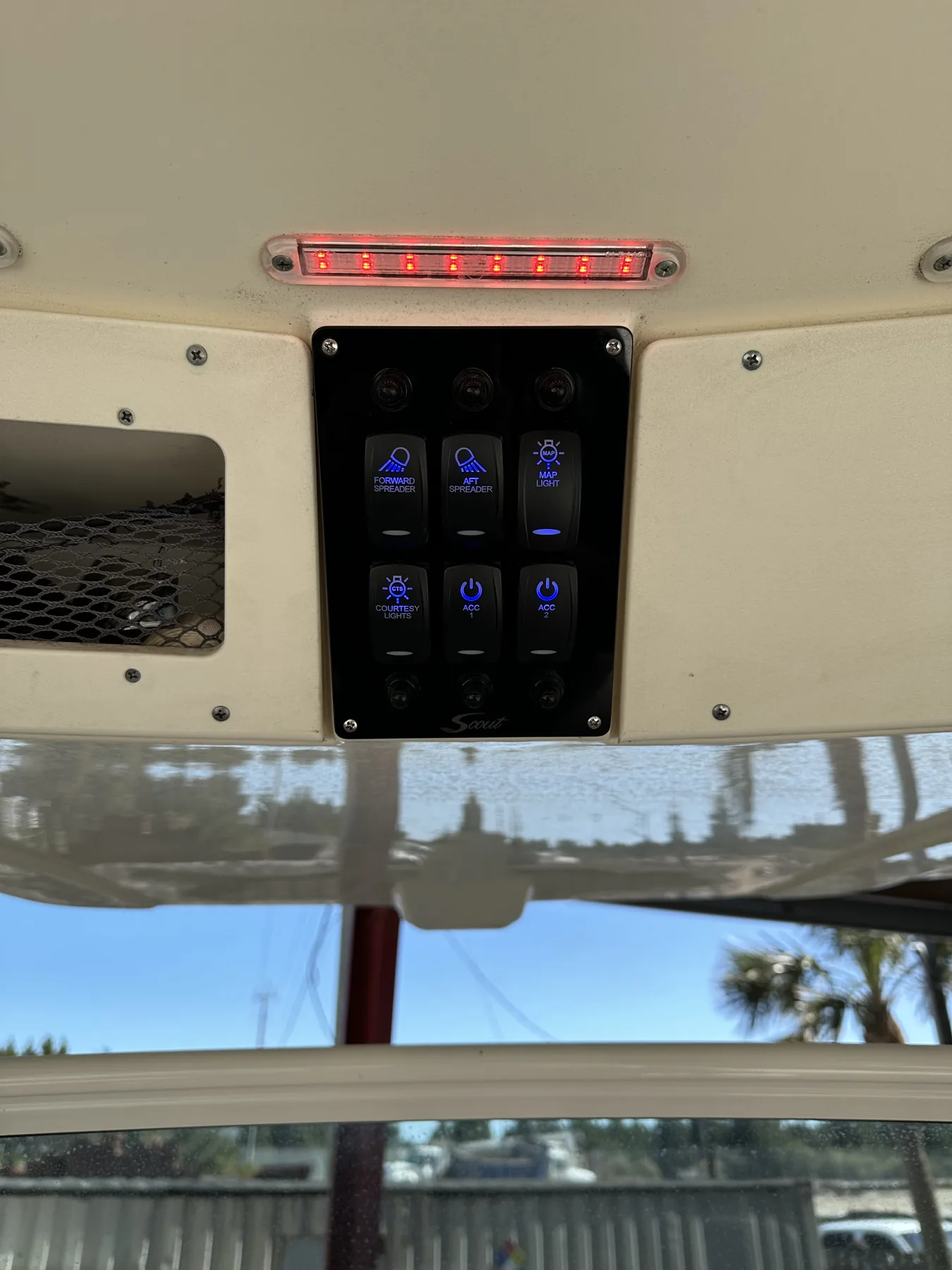
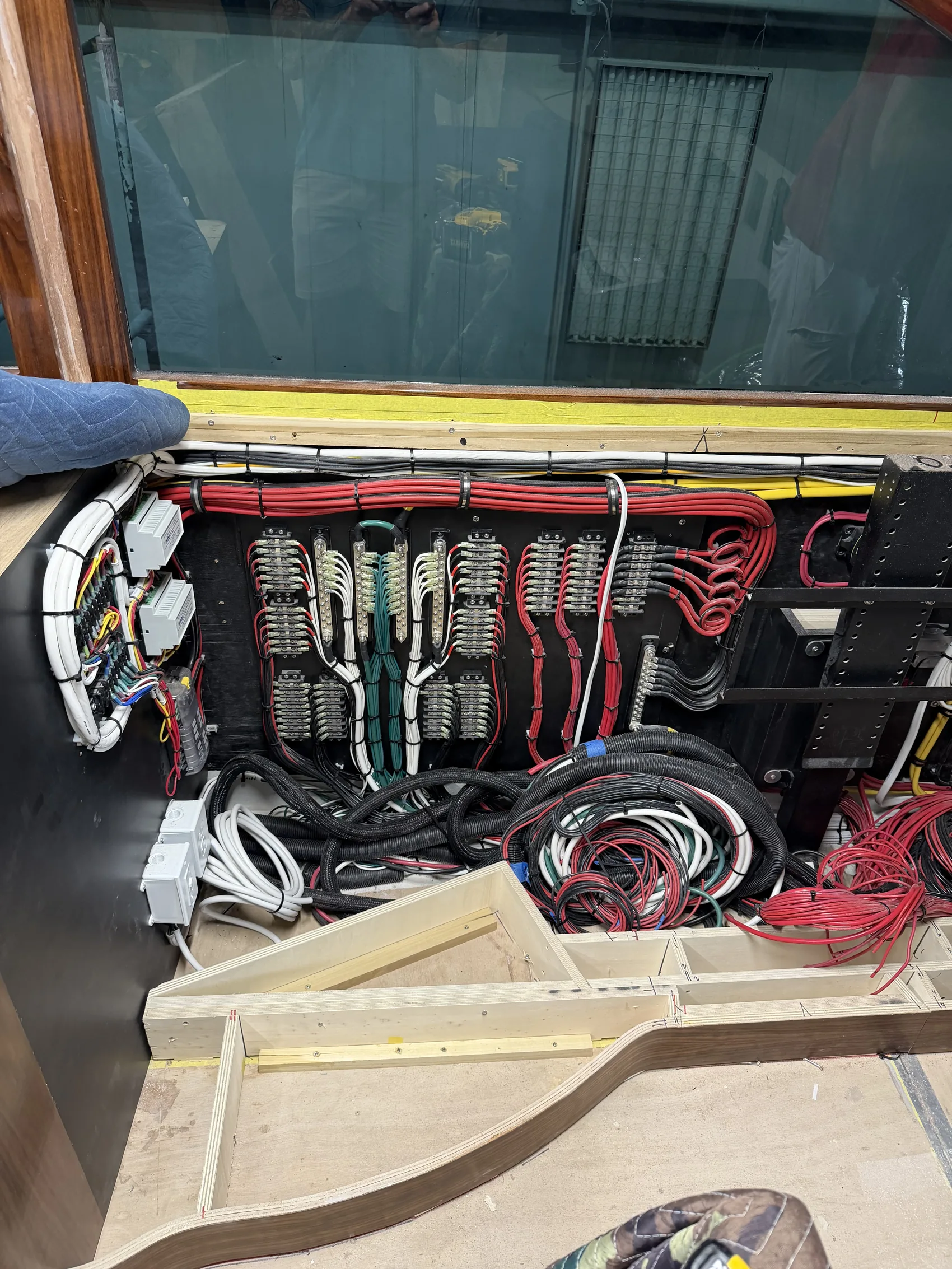
 Wired and finished to ABYC standard
ABYC Certified Technician
Installations, diagnostics, and repairs are performed according to applicable American Boat & Yacht Council standards, the same reference point a marine surveyor, insurer, or the boat's next owner will eventually be measuring the work against. That standard governs everything from wire sizing and overcurrent protection to battery ventilation and system grounding.
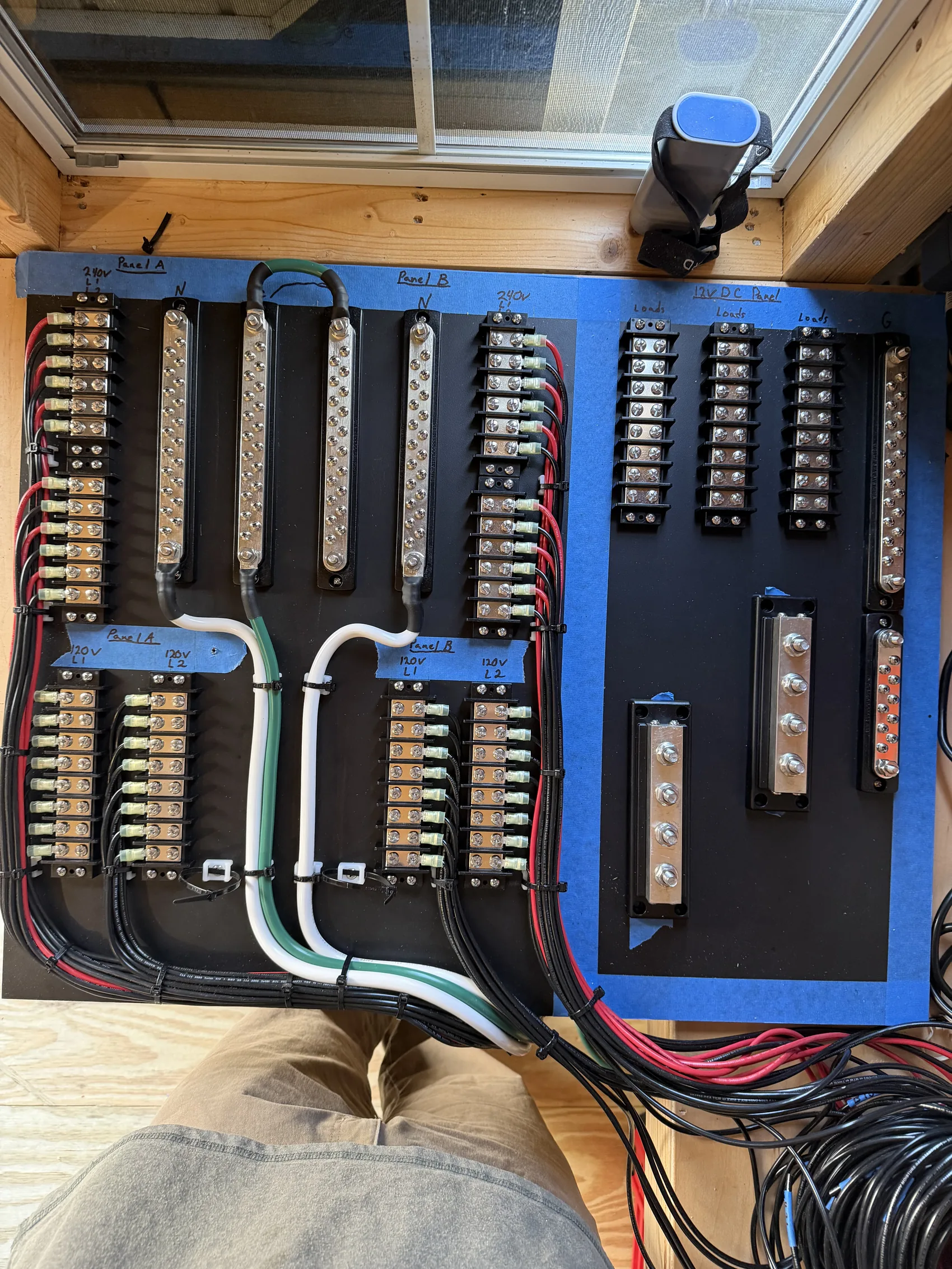
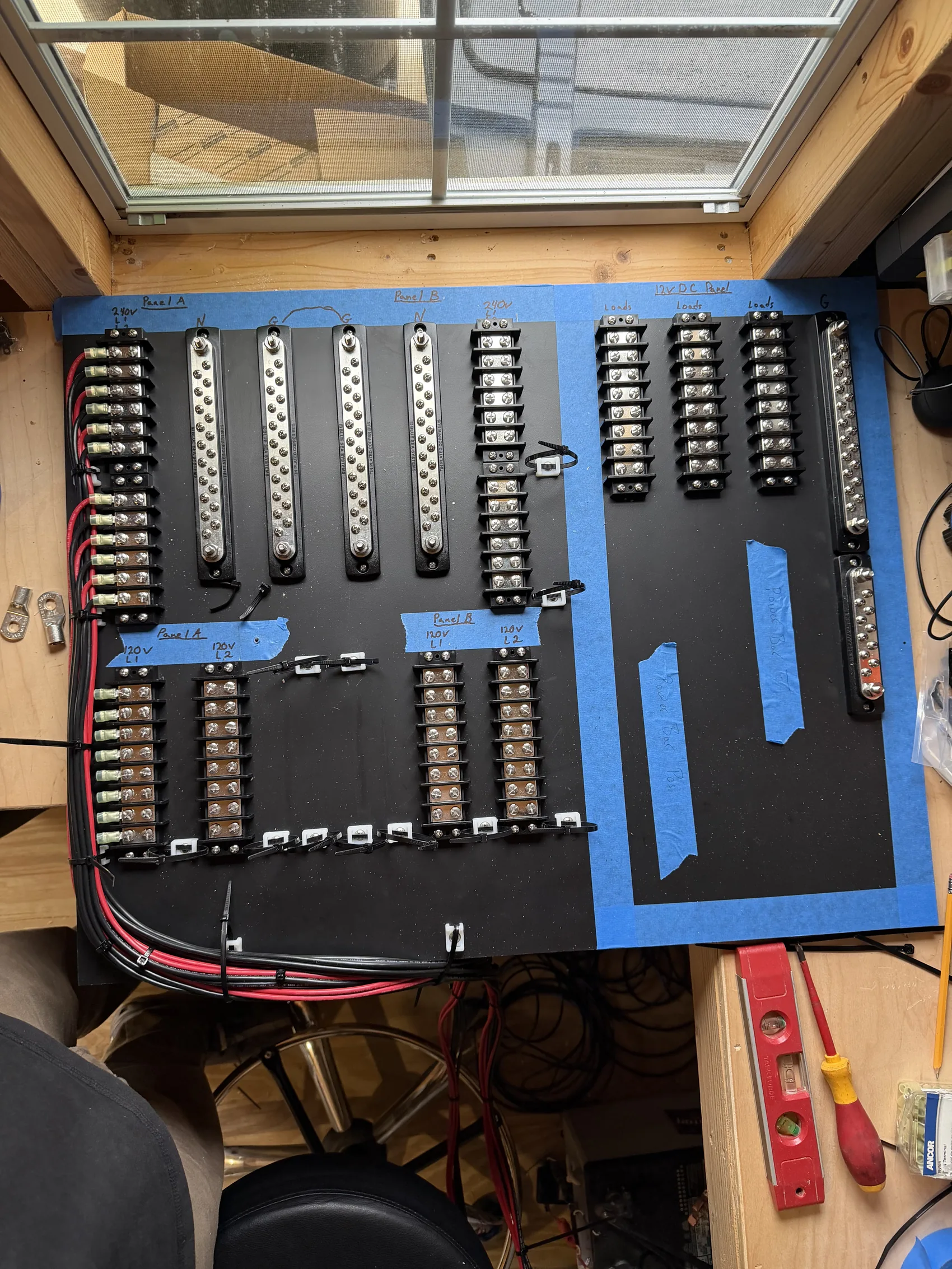 Laid out and planned before a single wire is run
Veteran-Owned & Operated
Coastal Current brings a military-influenced discipline to the work: methodical diagnostics, clear documentation, and accountability for what gets signed off as finished. That shows up less as a talking point and more as how a service call actually runs: in order, checked twice, and explained in terms you can act on.
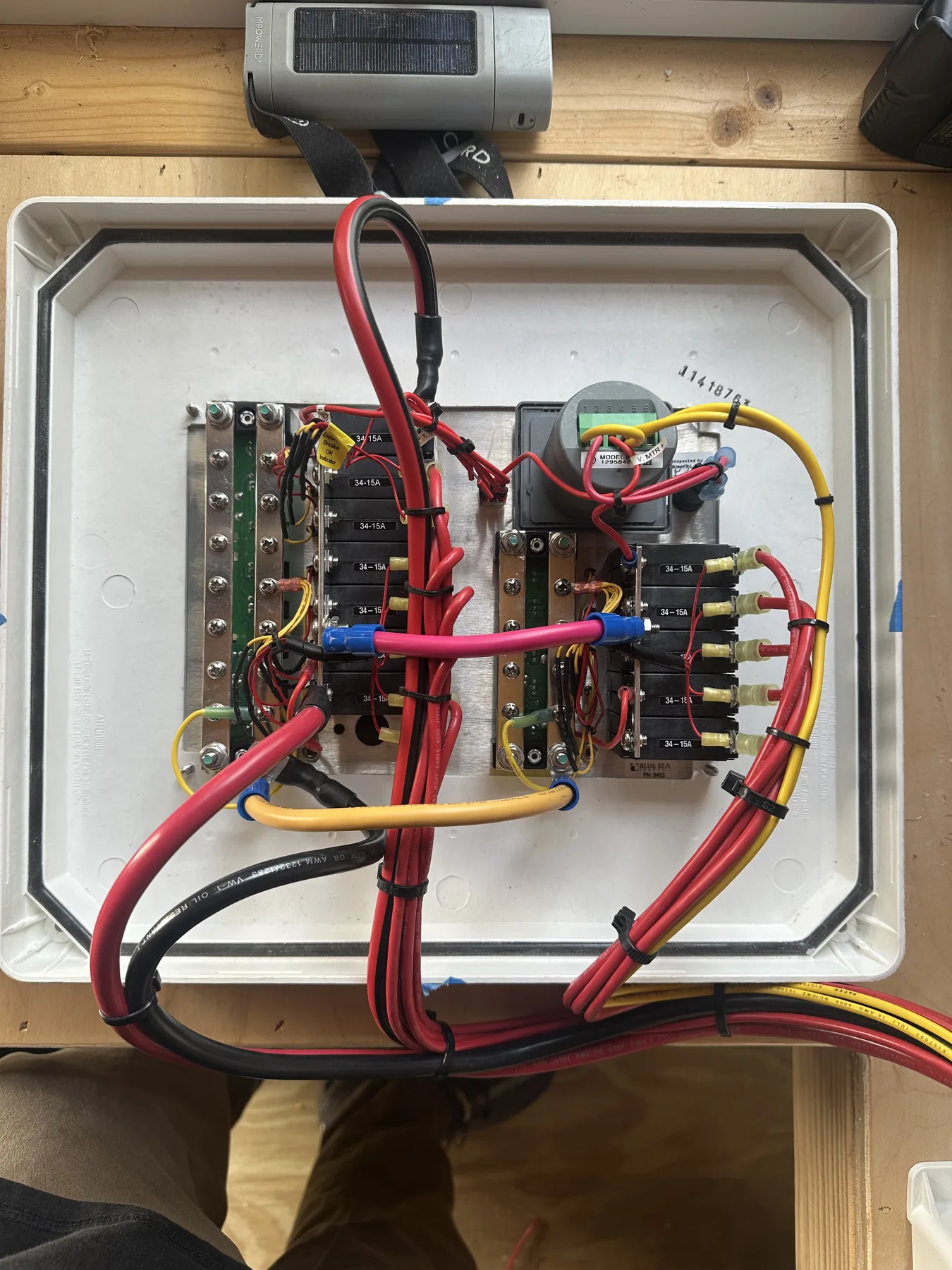 From an actual Coastal Current build
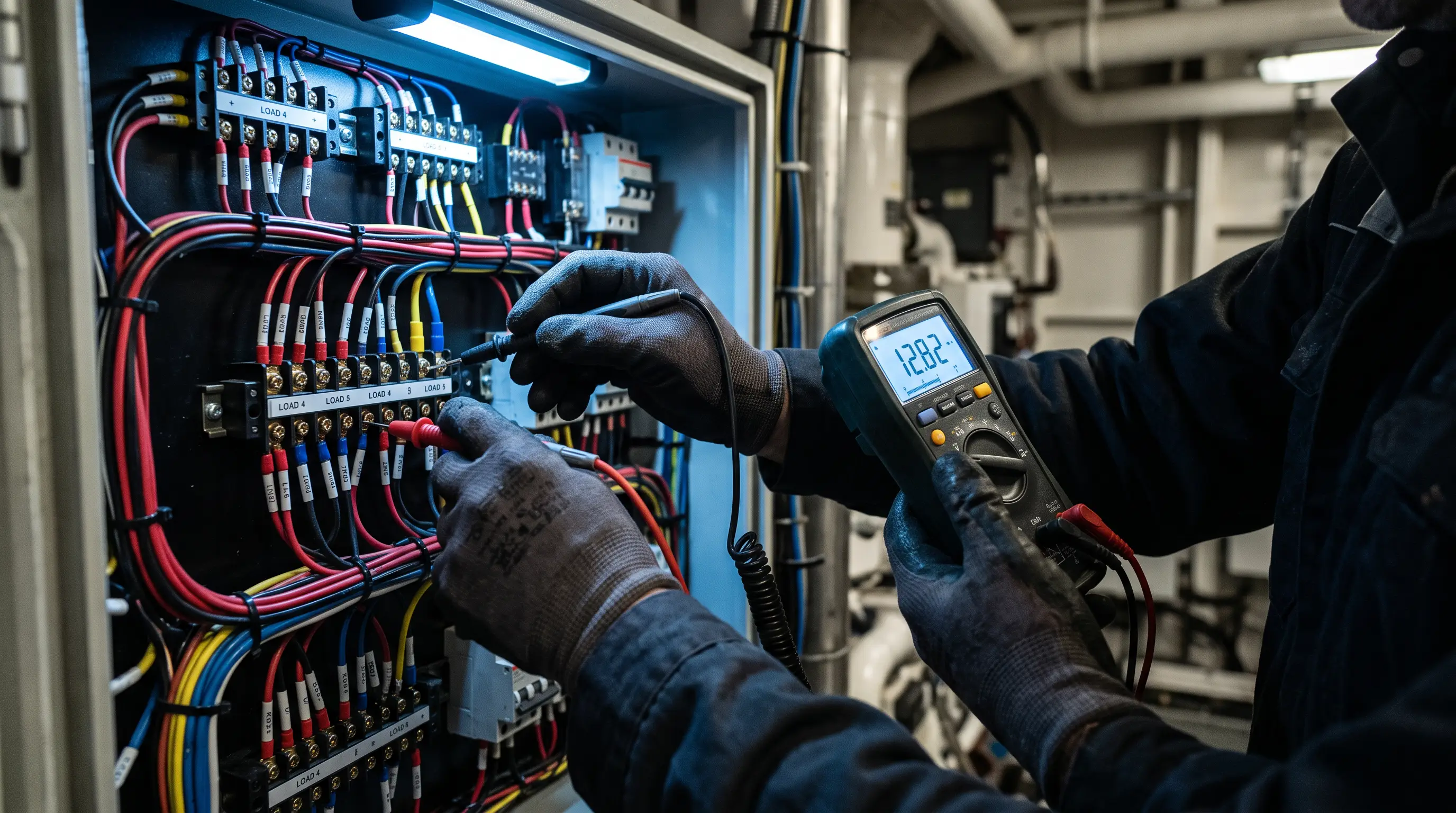
Diagnostics that go beyond a test light.
A multimeter finds the obvious faults. A clamp meter, load testing, and a thermal camera find the ones that only show up under real draw: the lug that's been slowly heating up, the ground that's fine at idle and fails the moment the windlass kicks on. That's the equipment that comes aboard on every call, not just the surveys.
Marine-grade only, sized to the job
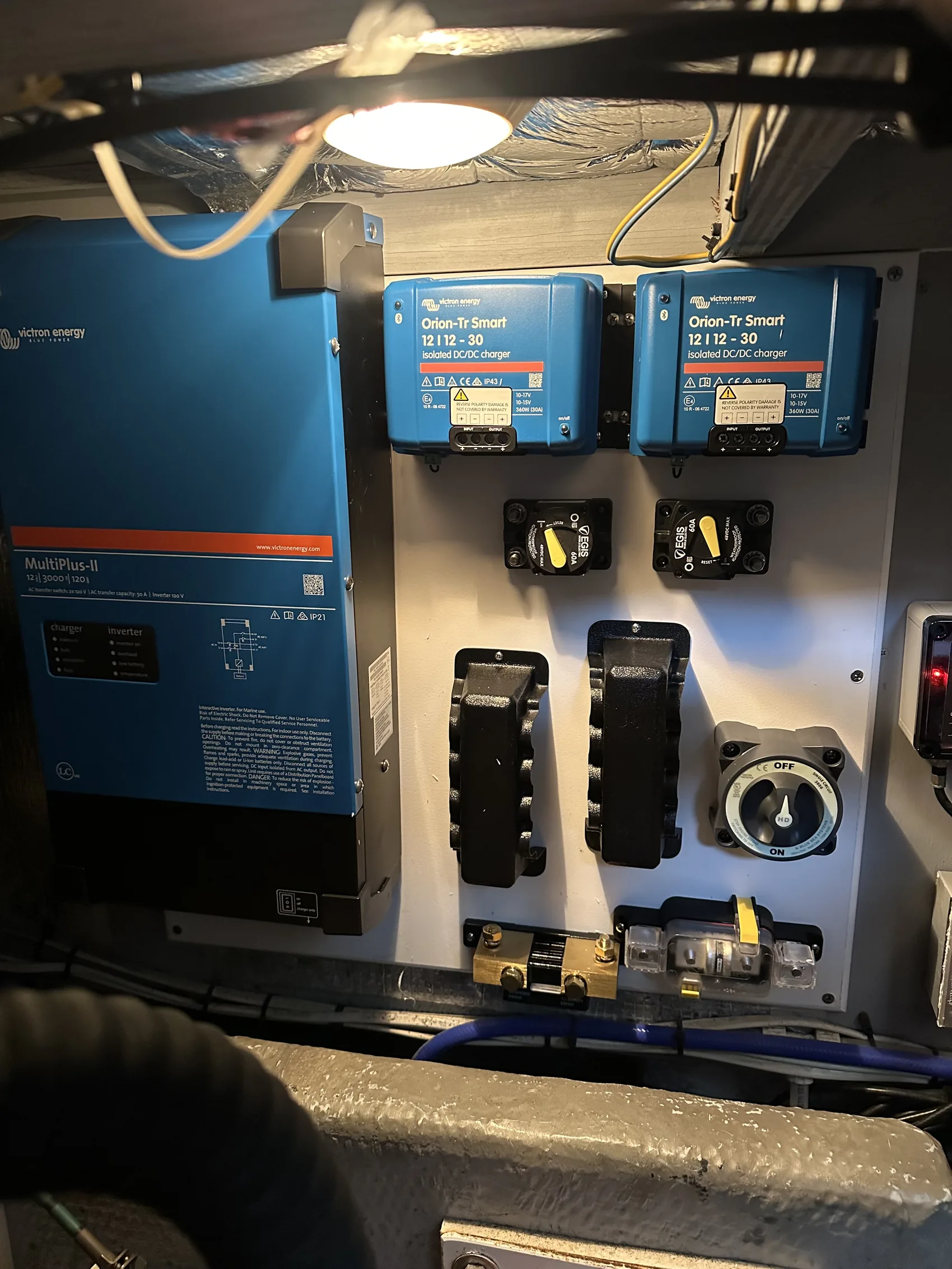
Tinned copper, adhesive-lined heat shrink, and fuses and breakers sized to the actual circuit, not whatever happens to be on the shelf. Components are name-brand marine hardware, Blue Sea, Victron, and comparable, chosen because they hold up in a saltwater engine bay, not because they're the cheapest fit.
How a service call runs
Four steps, every time, whether it's a five-minute fault or a full power system build.
Diagnose
Test circuits under real load and trace faults to their actual source, not the nearest suspect component.
Document
Record what's found (including anything outside the scope of the visit) so you know exactly what you're carrying aboard.
Repair to Standard
Wire, fuse, and install to applicable ABYC standard, not just to whatever gets a system working again.
Verify & Hand Off
Confirm the fix under load before calling it finished, and leave the system labeled and understandable.
Where the specialty is
Marine electrical infrastructure, power systems, electronics, and diagnostics: not engine repair, not fiberglass, not detailing.
Coastal Current's scope is the electrical system aboard the vessel: wiring, distribution, charging, batteries, electronics, networking, and the diagnostics that tie them together, with off-grid and lithium power systems as the deepest specialty. That focus is deliberate. It's what makes ABYC-standard, shipyard-quality work possible at the dock instead of only in a shop.
Common questions
Before you call.
Do you work on all types of boats?
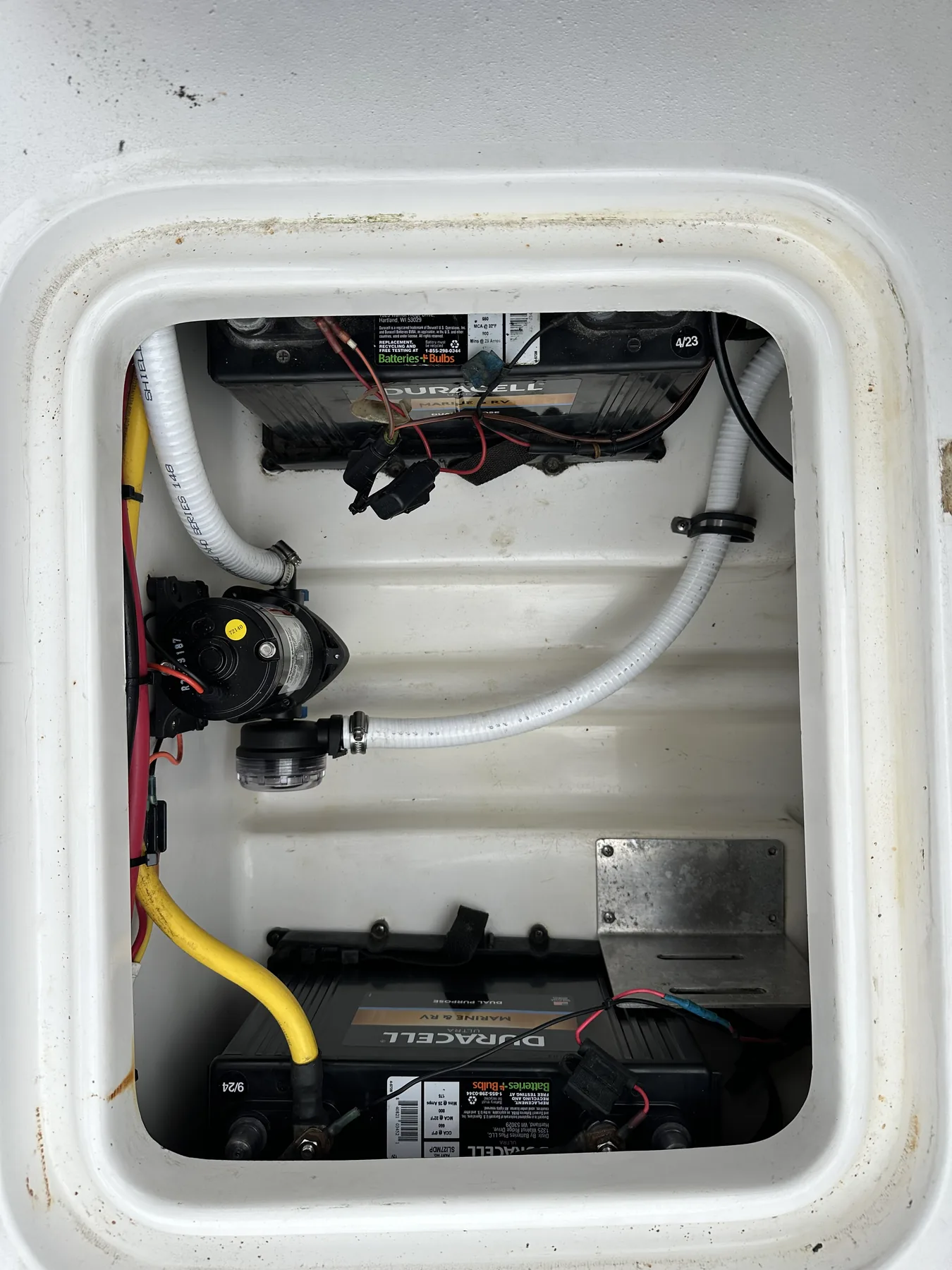
Sportfish, center consoles, sailboats, trawlers, and larger cruisers, gas or diesel, lead-acid or lithium. If it has a 12V/24V or 120/240V electrical system aboard, it's in scope.
Do you travel outside the listed service areas?
Often, yes. The seven areas listed are the primary coverage zone, but the mobile setup travels further along the coast for the right project. Get in touch to confirm coverage for your location.
Is a diagnostic visit handled differently than a repair?
Every job starts with the same diagnostic process regardless of what it turns into. You'll know what's actually wrong, and what it takes to fix it correctly, before any repair work begins.