Service 05
Marine Networking
Installation, diagnosis, integration, and calibration of NMEA 2000 and NMEA 0183 data networks, the backbone that lets your chartplotter, engine data, and instruments share one accurate picture.
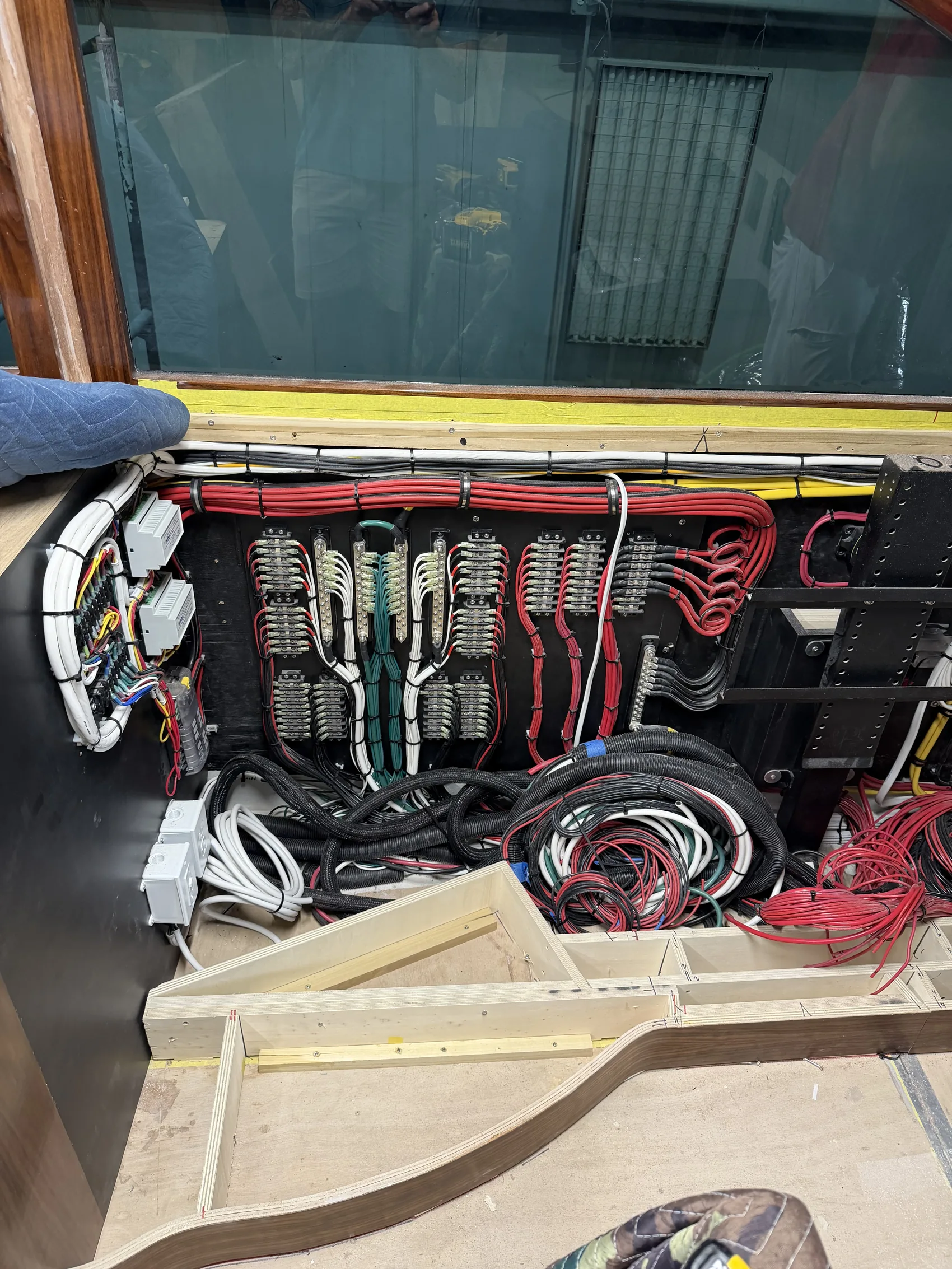
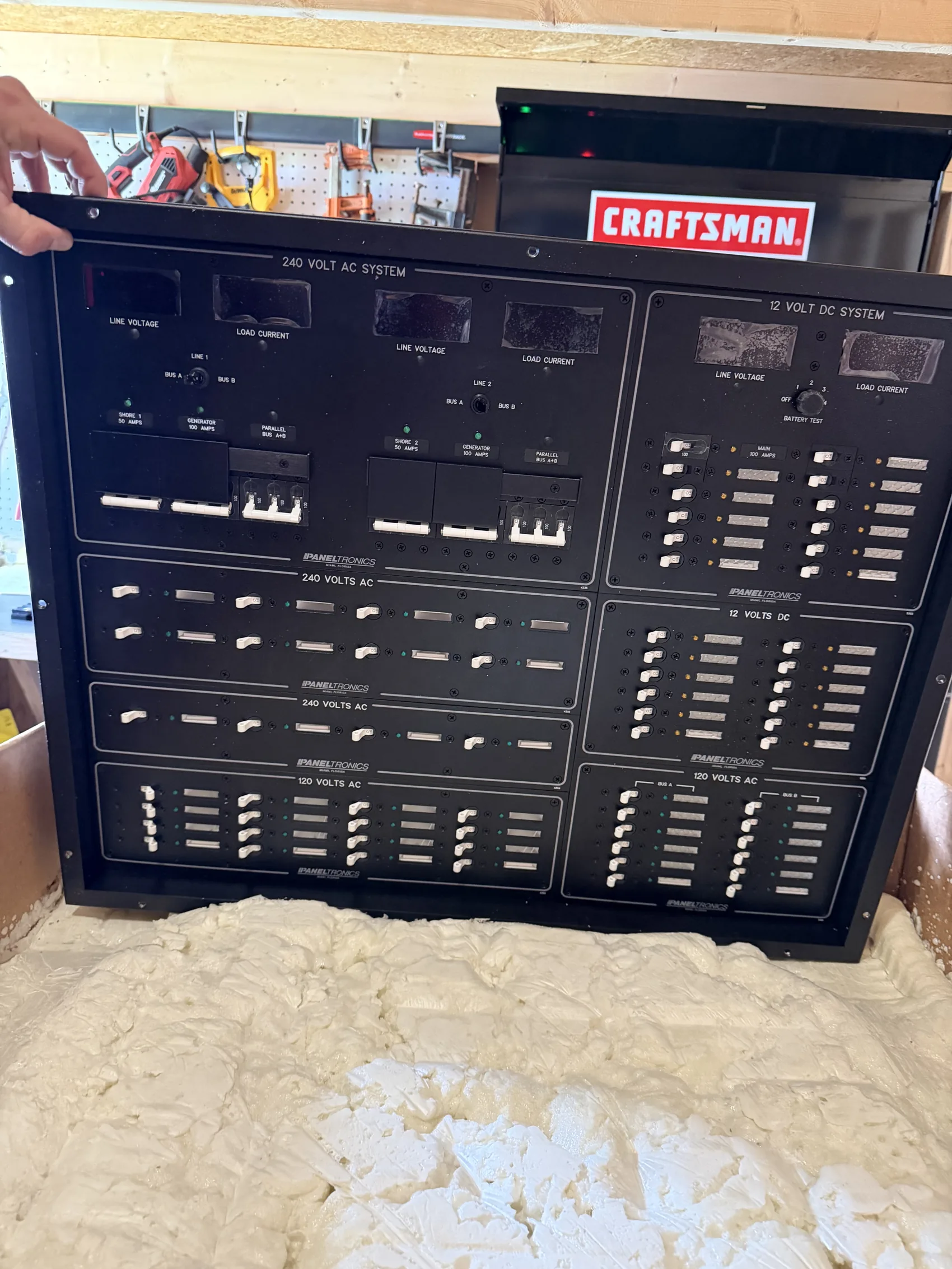
Your instruments are only as good as the network connecting them.
A modern boat's depth sounder, GPS, autopilot, engine data, and displays all pass information to each other over a shared network backbone. When that backbone is poorly terminated, overloaded, or patched together from mismatched components, the symptom isn't a network error. It's a chartplotter that randomly loses depth, an autopilot that hunts, or a second station that never quite matches the first.
What Coastal Current installs and diagnoses
- NMEA 2000 backbone design & installation
- NMEA 0183 integration & conversion
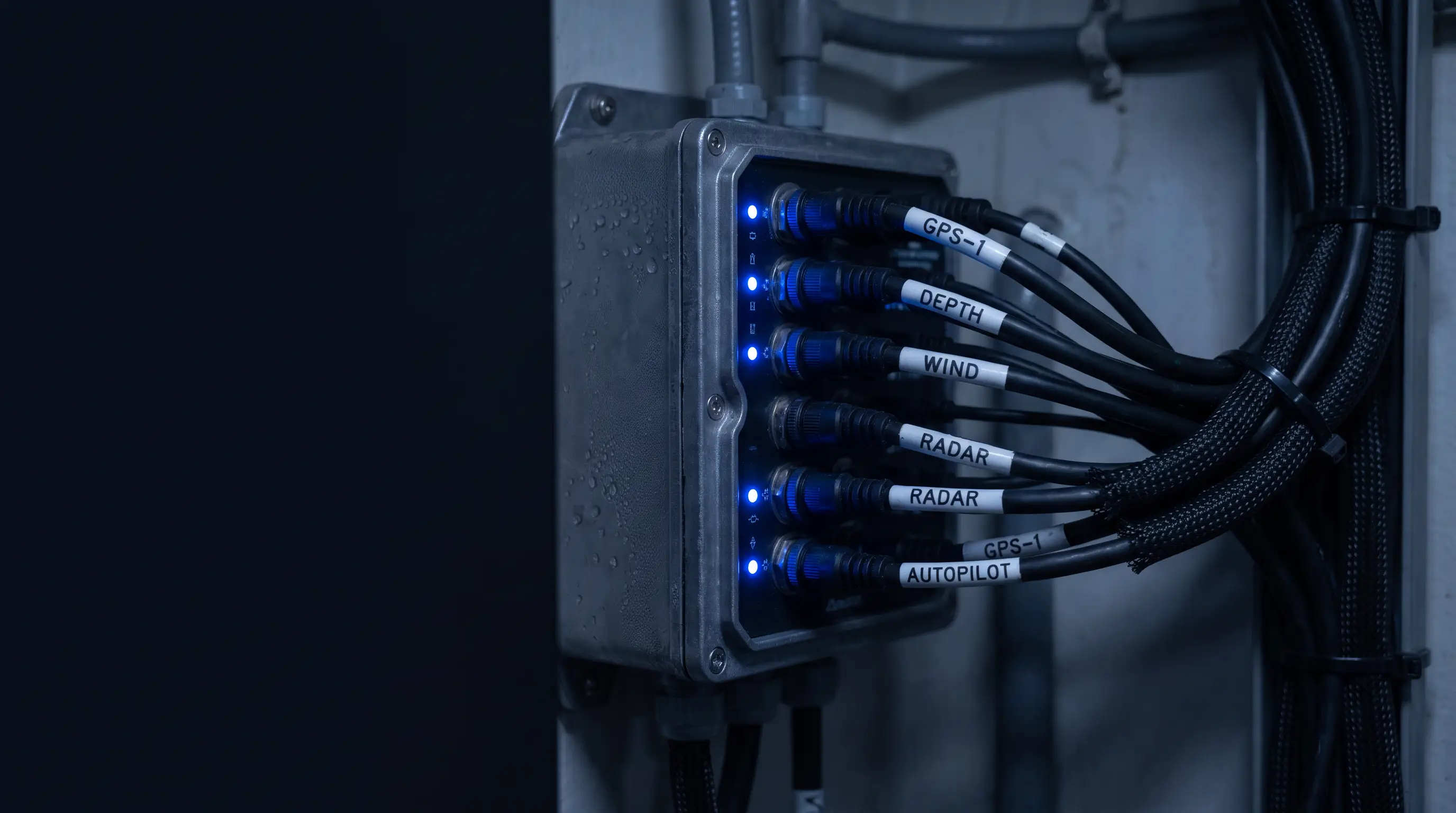
- Connected navigation systems & vessel sensors
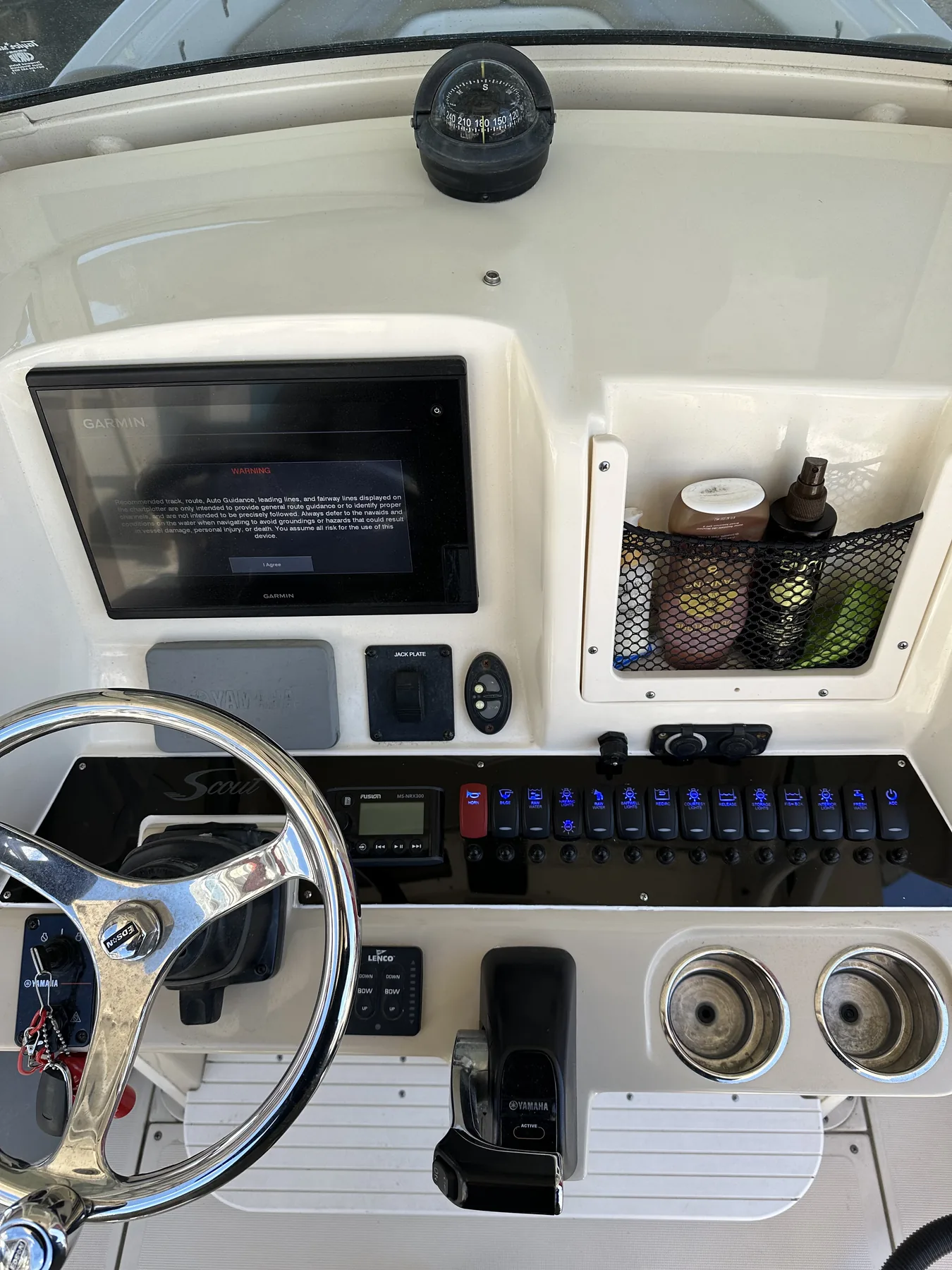
- Display integration across multiple stations
- Data communication troubleshooting
- Network load, termination & power verification
A network that's sized, terminated, and tested correctly
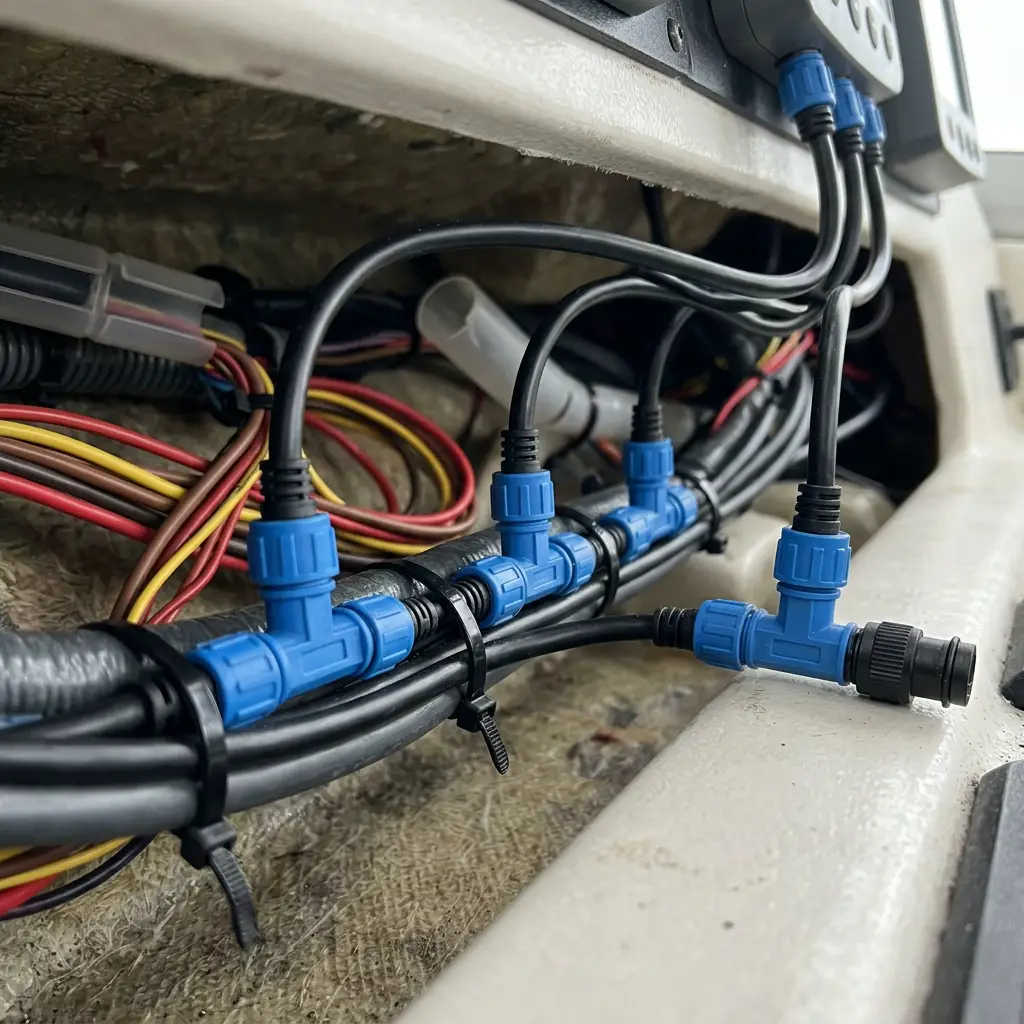
Backbones are built to the actual load of the devices on them, not just however many T-connectors would fit, and every network is tested for proper termination and power before being called complete. Where a network is inherited from a previous install, Coastal Current diagnoses what's actually happening on the bus rather than guessing at which device is at fault.
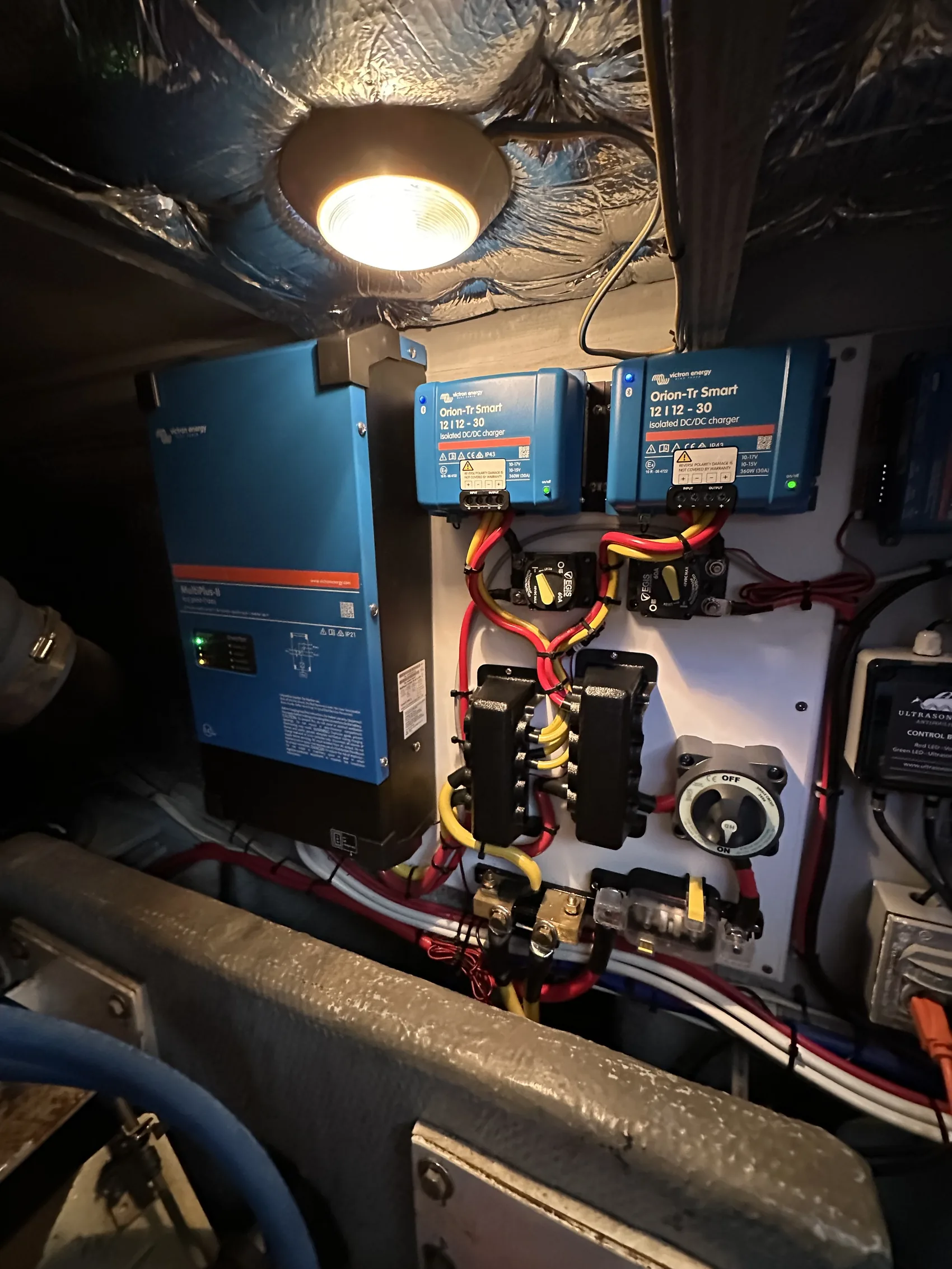
Most network gremlins are physical, not digital
A corroded drop cable, a backbone carrying more devices than its power budget allows, a missing terminating resistor, or instruments daisy-chained together instead of tapped off proper T-connectors. The symptom looks like a software glitch. The cause is almost always in the wiring.
Add a device later without redoing the network
Backbones are sized with spare drops and power headroom for the next instrument, not just the ones going in today, so adding an autopilot or a second station later is a drop onto an existing network instead of a rebuild.
Connected systems in the field