Service 02
Marine Electrical Systems & Troubleshooting
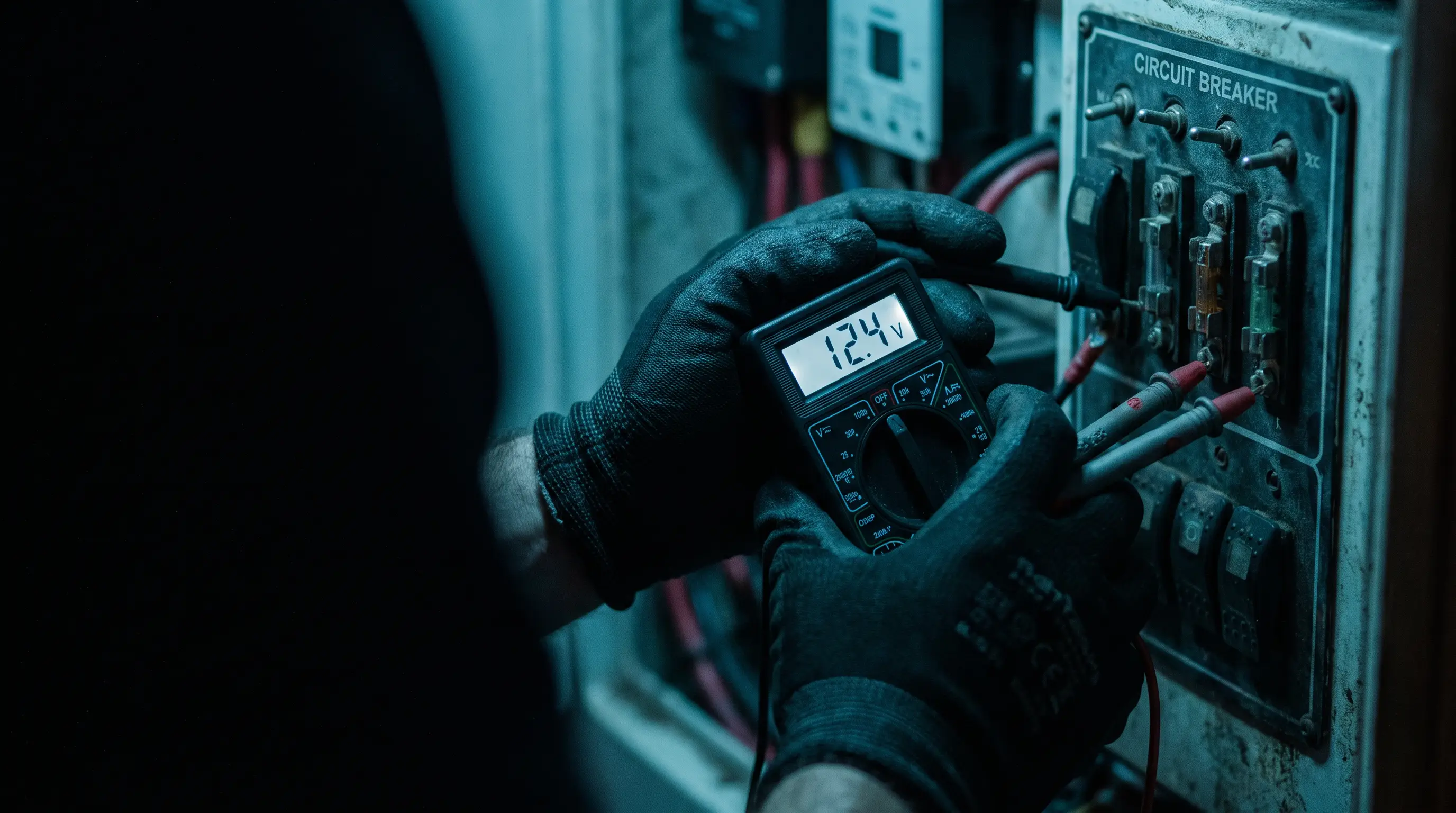
Advanced diagnosis, repair, design, and upgrading of vessel AC and DC electrical systems, the discipline of solving a fault rather than swapping parts until something happens to work.
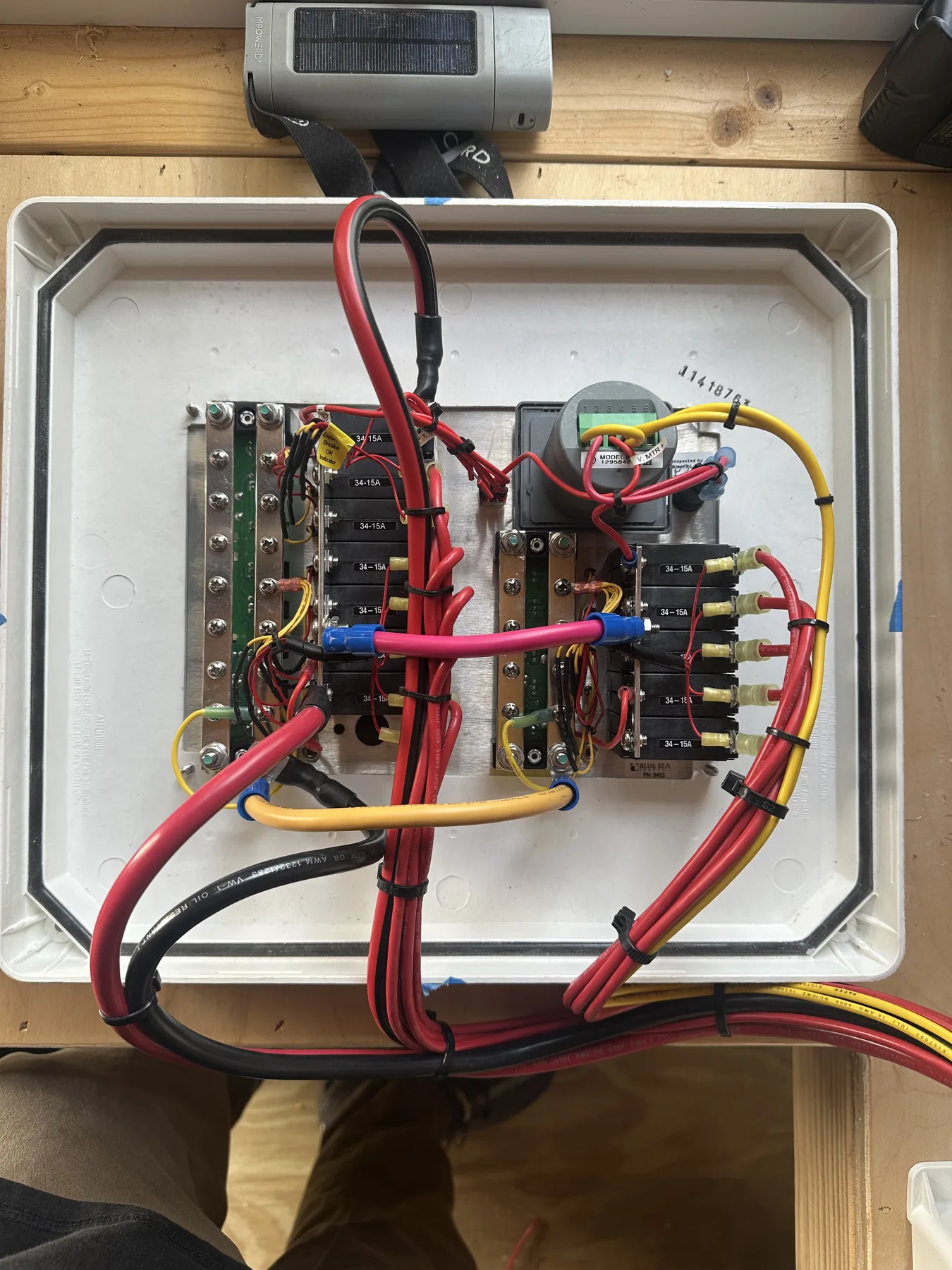
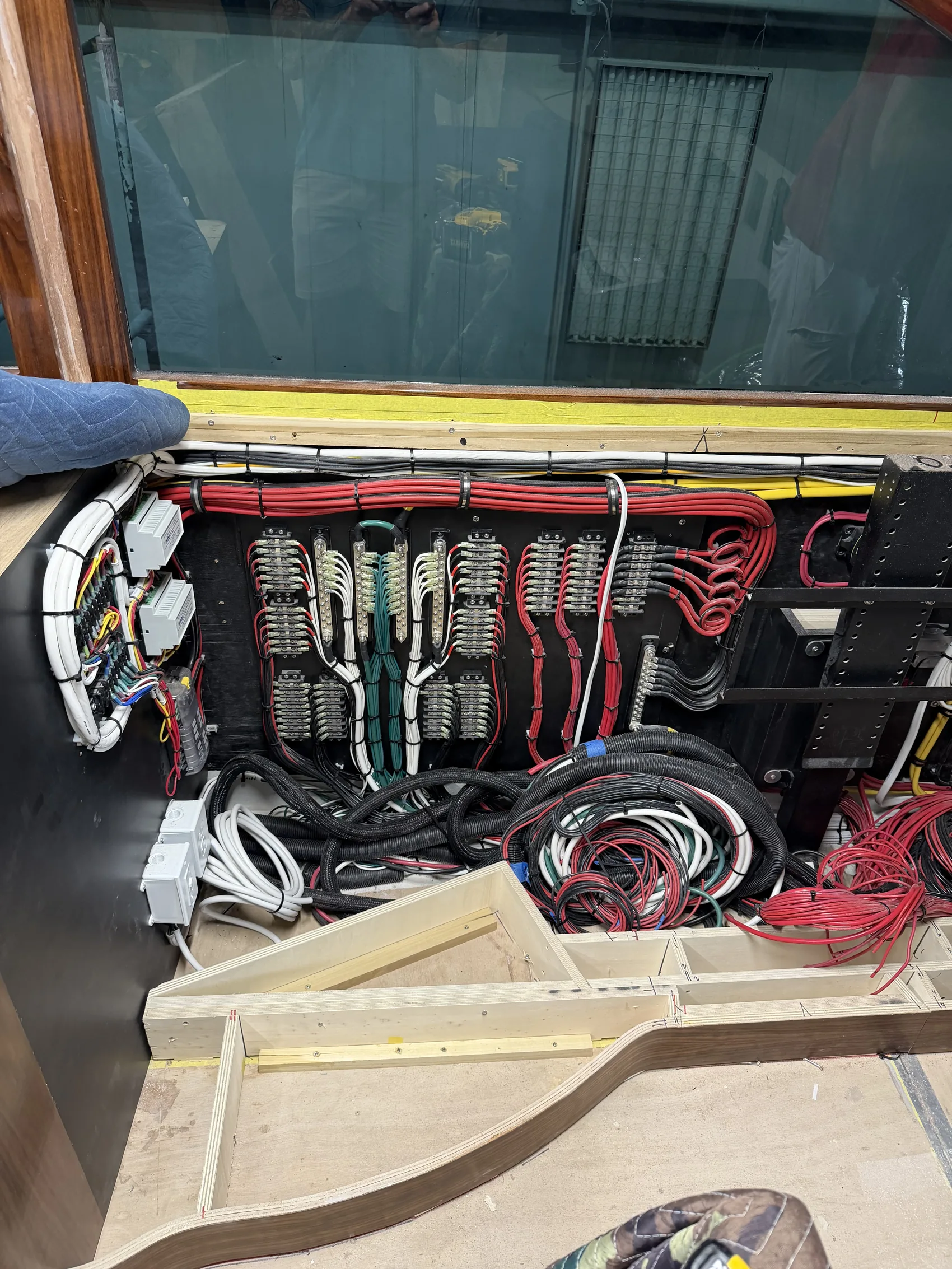
Electrical systems that grew piecemeal over years.
Most electrical faults aboard a boat aren't a single failed component. They're the result of years of add-ons: a bilge pump spliced in without a fuse, a second battery bank tied in without isolation, a shore-power inlet wired by whoever was available at the time. Coastal Current diagnoses the system as it actually exists, not as the wiring diagram assumes it should.
Systems we diagnose, repair, and build
- AC and DC electrical systems
- Electrical fault diagnosis & troubleshooting
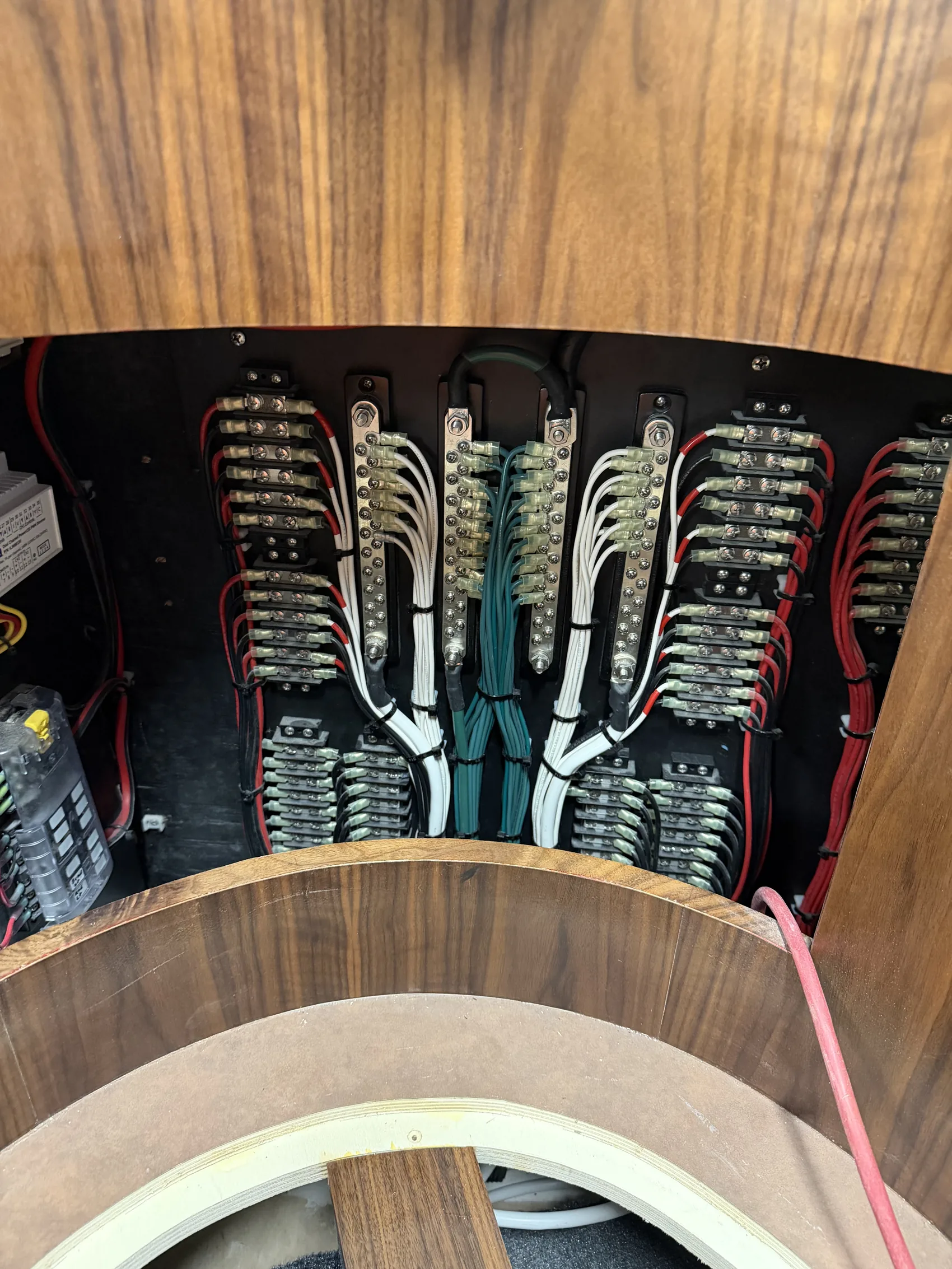
- Rewiring & shore-power systems
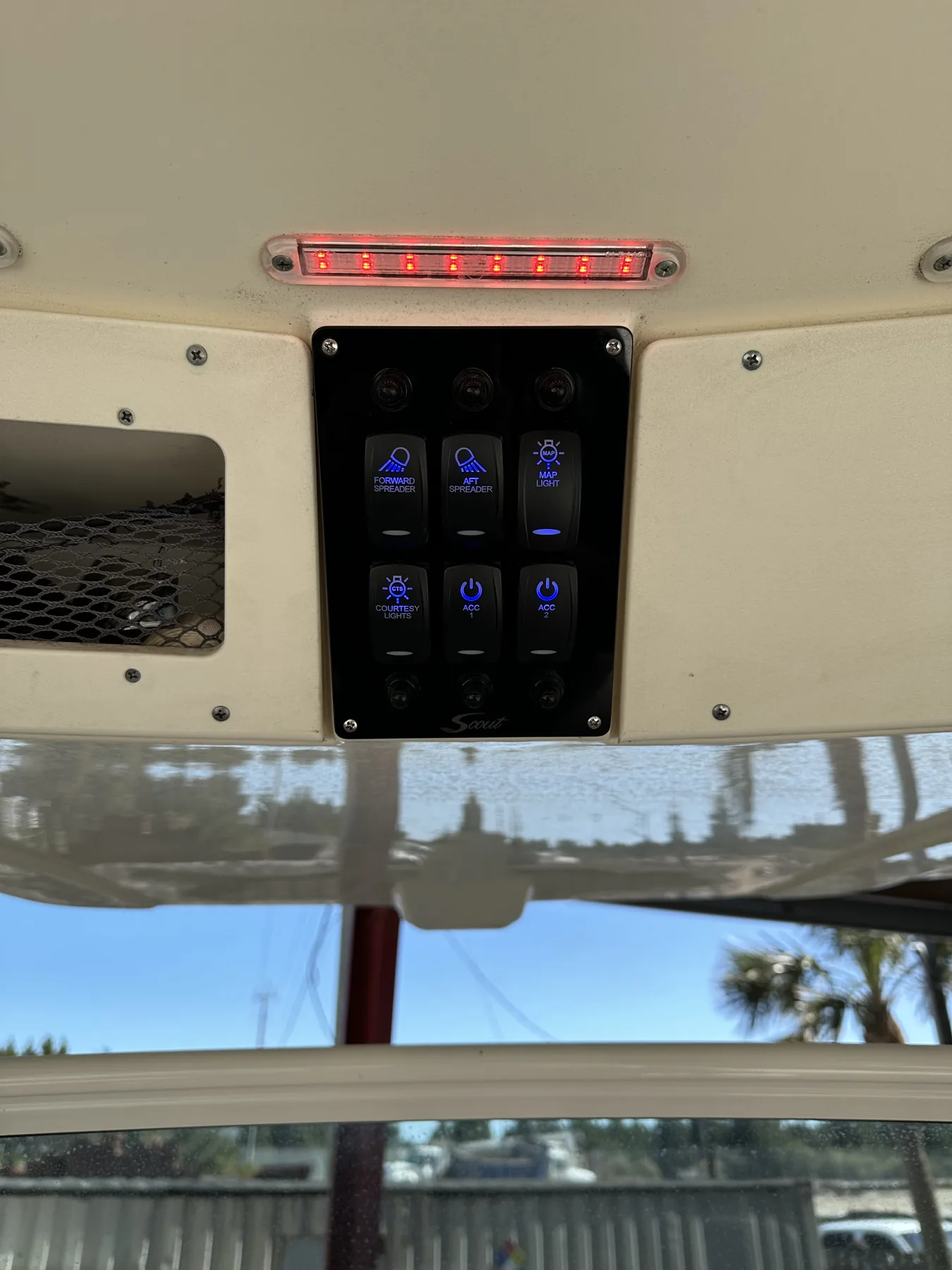
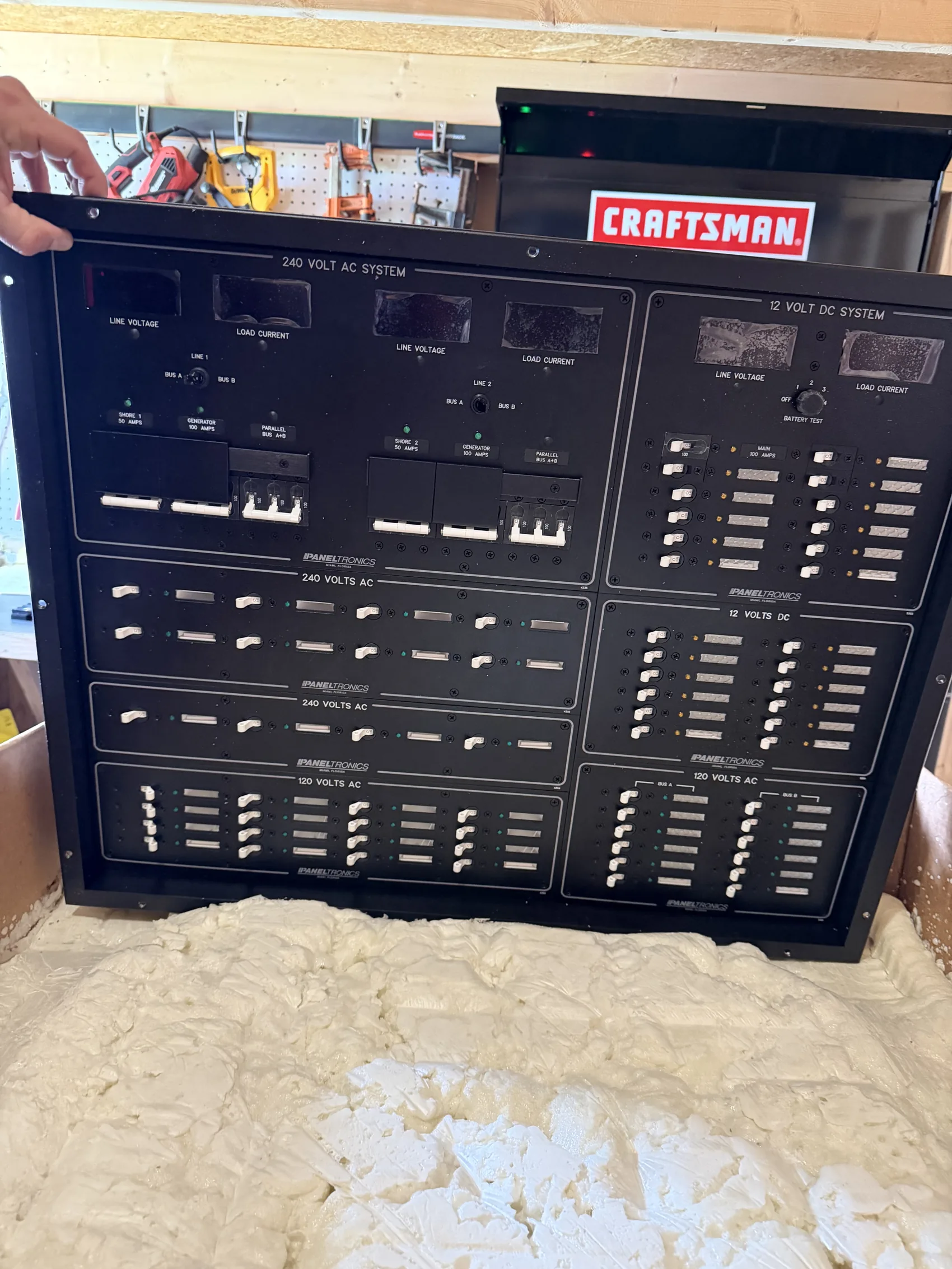
- Custom switch panels & circuit protection
- Distribution systems, battery systems & charging systems
- Electrical upgrades to current ABYC standard
Tested under load, traced to the source, documented
Intermittent faults are found by testing circuits under real load, not by staring at a multimeter reading with the engine off. Every repair is documented, and any wiring that doesn't meet applicable ABYC standard is flagged so you know exactly what you're carrying aboard, whether or not it gets addressed on the same visit.
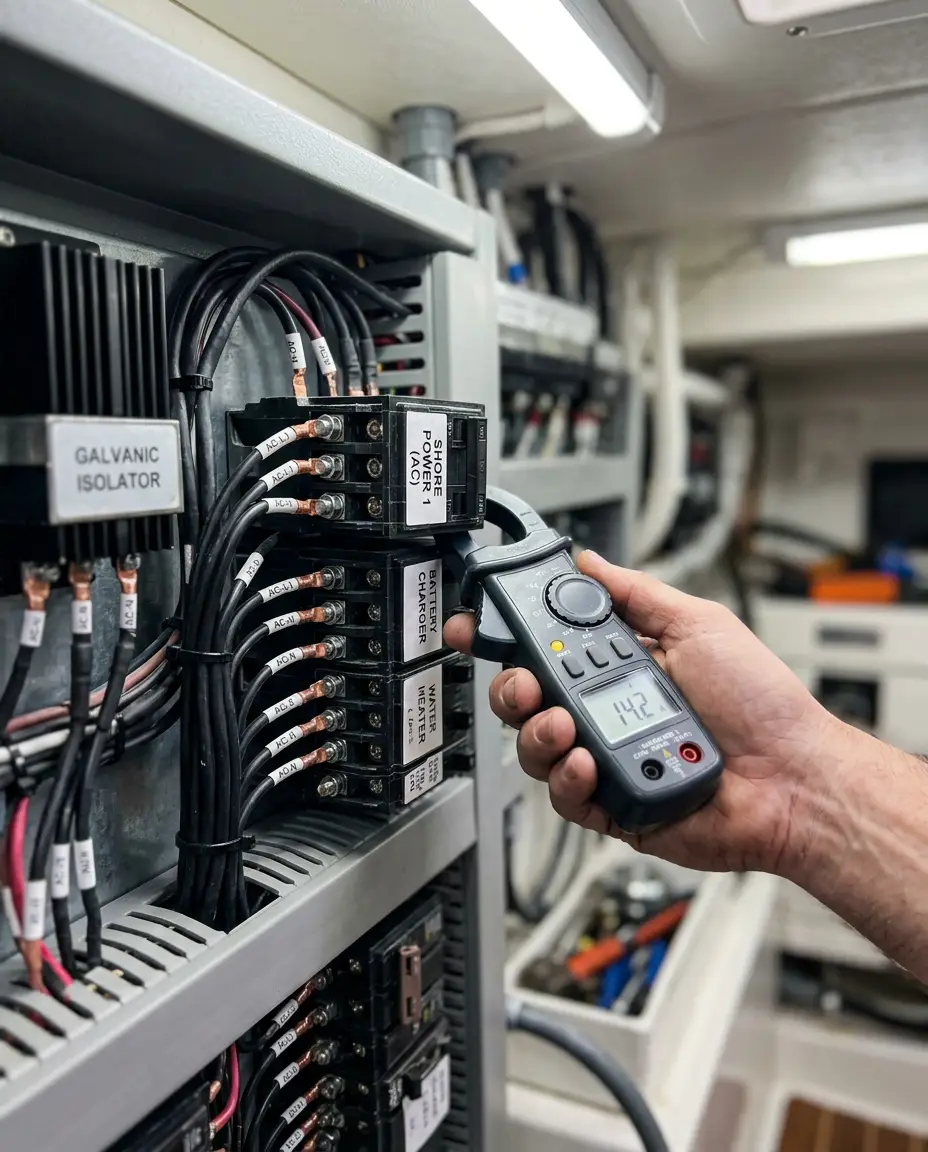 Testing under real load, not guessing from a reading
Where the piecemeal wiring usually starts
An aftermarket stereo spliced into the wrong circuit. A bilge pump added without its own fuse. Wire sized for the run length it happened to have on the shelf instead of the load it's actually carrying. None of it fails on day one, which is exactly why it's still there years later, quietly setting up the fault that finally gets a boat towed in.
The AC side gets the same scrutiny as DC
Shore power cords, galvanic isolators, reverse-polarity protection, and GFCI coverage aren't optional extras, they're the difference between a boat that's safe to plug in at a strange marina and one that isn't. AC circuits are tested and verified to the same standard as the DC side, not treated as someone else's problem.
Recent electrical work